

· AFX Research
Title Search vs. Title Insurance: What's the Difference?
A title search discovers what's recorded against a property before you buy. Title insurance protects against covered claims after closing. Here's when you need each — or both.
Table of Contents
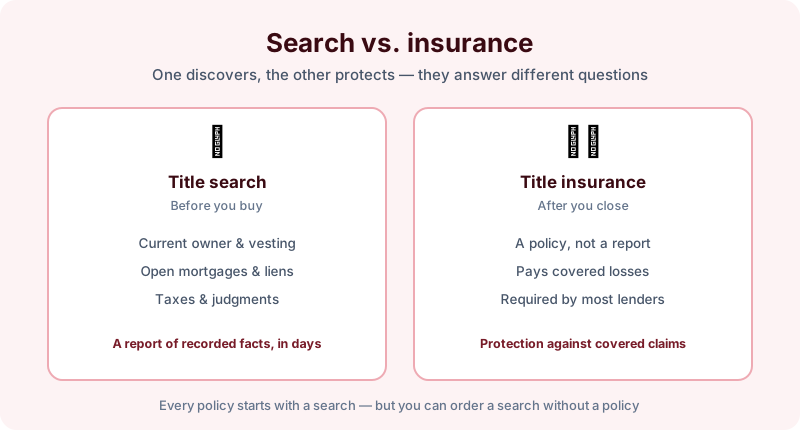
The two terms get used interchangeably, but they answer different questions. A title search tells you what’s recorded against a property right now — before you commit. Title insurance pays if a covered problem surfaces later. One is discovery; the other is protection.
What a title search does
A title search is research. A certified abstractor examines the county’s recorded documents and reports what’s actually on title: who holds ownership and how it’s vested, the current deed, open mortgages and deeds of trust, liens, judgments, tax status, and the legal description — each item abstracted with its recording date, book and page, and amount. Our reports ship with a full set of copies of every open and pertinent document, so you can verify each finding at the source.
It’s a snapshot of fact, not a promise about the future. That’s precisely what makes it useful: every closing decision — bid, lend, negotiate, walk away — starts with knowing what’s recorded today.
What title insurance does
Title insurance is an indemnity policy. You pay a one-time premium at closing, and the insurer agrees to defend against and pay covered losses from title defects that existed before the policy date but surface after — a forged signature in the chain, a recording error, an undisclosed heir — subject to the policy’s terms and exclusions. Lenders require their own loan policy on nearly every financed purchase; an owner’s policy covering the buyer is optional but common.
Here’s the connection people miss: insurers don’t write policies blind. Every title policy begins with a title search and examination. The search isn’t an alternative to insurance — it’s the foundation under it.
When a search alone does the job
Plenty of transactions never involve a policy, and the search is the protection:
- Auctions and cash purchases. Foreclosure and tax-sale buyers need to know about surviving liens before they bid — nobody is selling you a policy at the courthouse steps.
- Due diligence. Attorneys, investors, lenders reviewing collateral, and environmental and cell tower researchers order searches to inform a decision, not to close a sale.
- Non-purchase questions. Verifying ownership, checking encumbrances before a loan modification, estate and probate work.
When you want both
On a financed purchase, you’ll have both by default — the lender insists. The search still comes first, and that ordering matters: a problem found before closing gets fixed before it ever needs insuring. The cheapest title claim is the one that never gets filed.
The bottom line
Don’t frame it as either/or. The search is the diagnosis; insurance is the safety net for what no examination can see, like fraud or off-record claims. For the decision in front of you right now, the search is the tool — and most current owner reports come back in under a day. Order online in a few minutes, or contact us if you’re not sure which search depth fits.